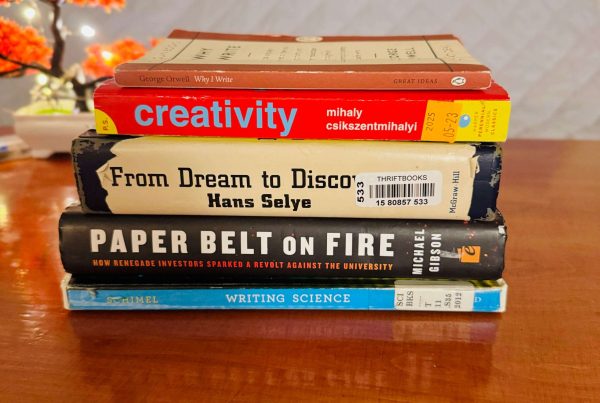
Almost everyone I meet unequivocally agrees that reading is beneficial for our brains and overall well-being. Yet, they also accept that the art of reading is getting lost is today’s fast-fashion world. Attention is getting scattered all over, and undivided concentration is getting harder to access.
It is not that people don’t try to get back to reading, but that they often give up. And the most probable reason is that many rely on their willpower when it comes to reading consistently. Willpower works for a few days, but consistency requires designing a conducive environment for reading.
Most people I know who read consistently got this habit from their family or close friends at an early age. If you read regularly, your children are more likely to develop a love of reading, especially if they see you enjoying it.
On that note, if you are looking for some good books to read, here are some book recommendations for the first half of 2025. To check out book recommendations in 2024, click this and this.
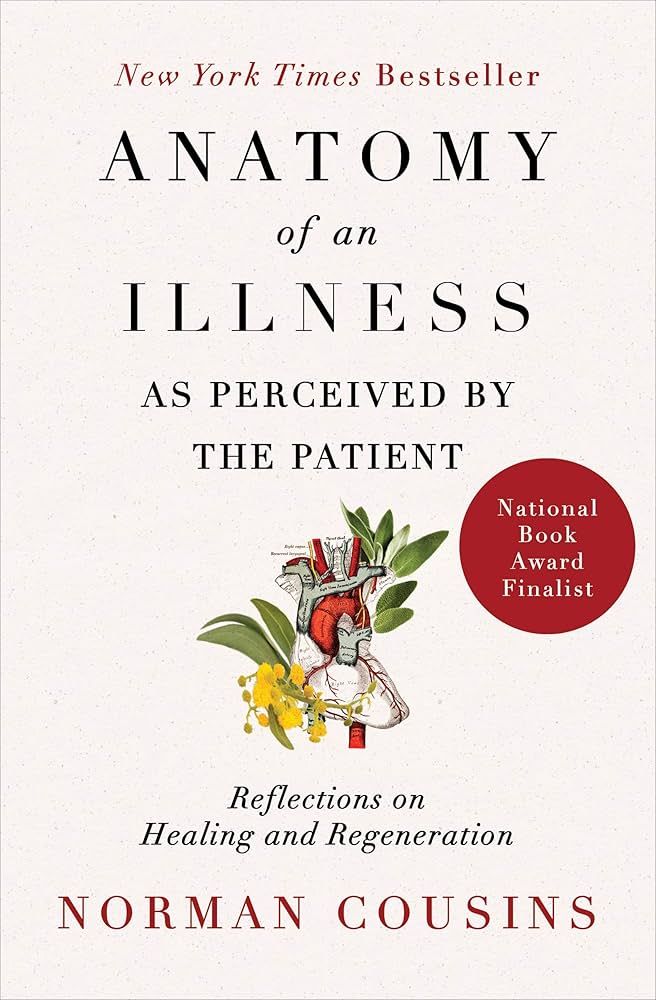
Anatomy of an Illness by Norman Cousins
There is a proverb in many parts of the world, especially when a patient is critically ill
“The patient needs prayers more than medicine”
In my general life, I believe in using drugs as medicine when necessary, and not as the only way to cure any regular diseases. This is a classic book on deciphering the roles of both mind and body in curing a disease. The prayer, in that sense, is a strong belief in a positive resolution, a conviction that all will be well. Hence, the environment around a patient (mind) is as important as taking medicine (body).
There is a reason family doctors are better at curing a disease. Not because they are more qualified, but they have a better relationship with their patients, and patients trust them more.
This book tells the story of the author’s diagnosis with a severe disease and his recovery, achieved not only through medicine but also through his own conviction and belief.
We are living in a time when more and more people take drugs as food with even a small cough. This book is a fresh reminder that there is something within you that is more critical when it’s come to being healthy and recovering from diseases.
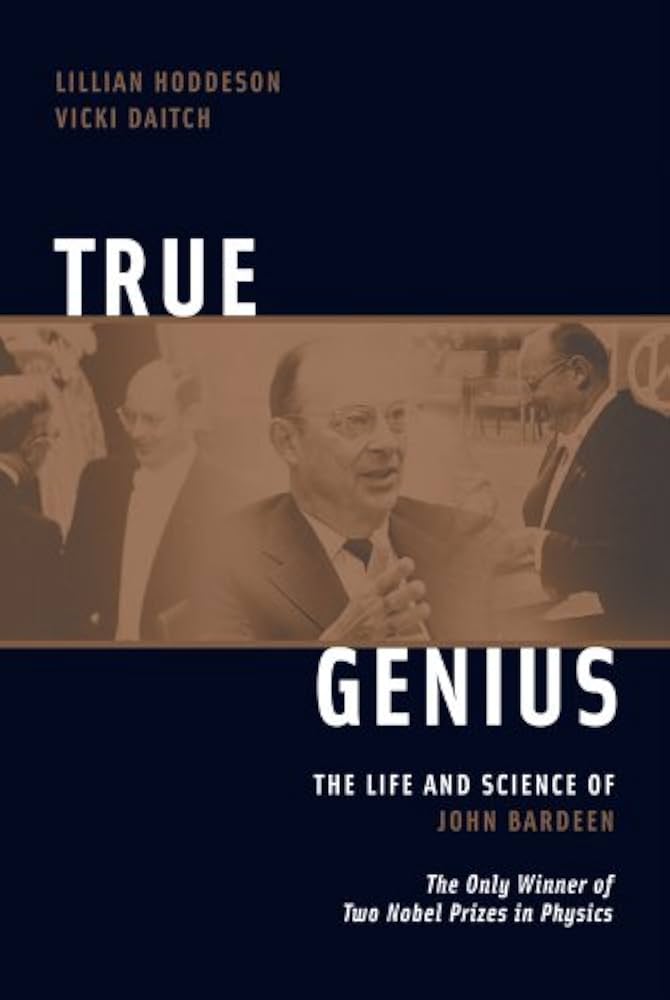
True Genius by Lillian Hoddeson and Vicki Daitch
Do you know the name of the only physicist to win two Nobel Prizes in Physics?
John Bardeen. He has contributed immensely to our current standard of living in the 21st century. Along with others, he discovered the transistor and superconductivity, discoveries that are essential to modern life.
Yet, Bardeen is not as popular as some other physicists in the mainstream media. Perhaps he was not as flamboyant as others and preferred to do his work silently.
I started exploring more about John Bardeen only a few years back. When I got to know his biography, I couldn’t wait to read and dive into the life and work of John Bardeen. I truly enjoyed reading about the life of one of the most innovative minds and learned lessons for my own scientific journey.
The Way of the Superior Man by David Deida
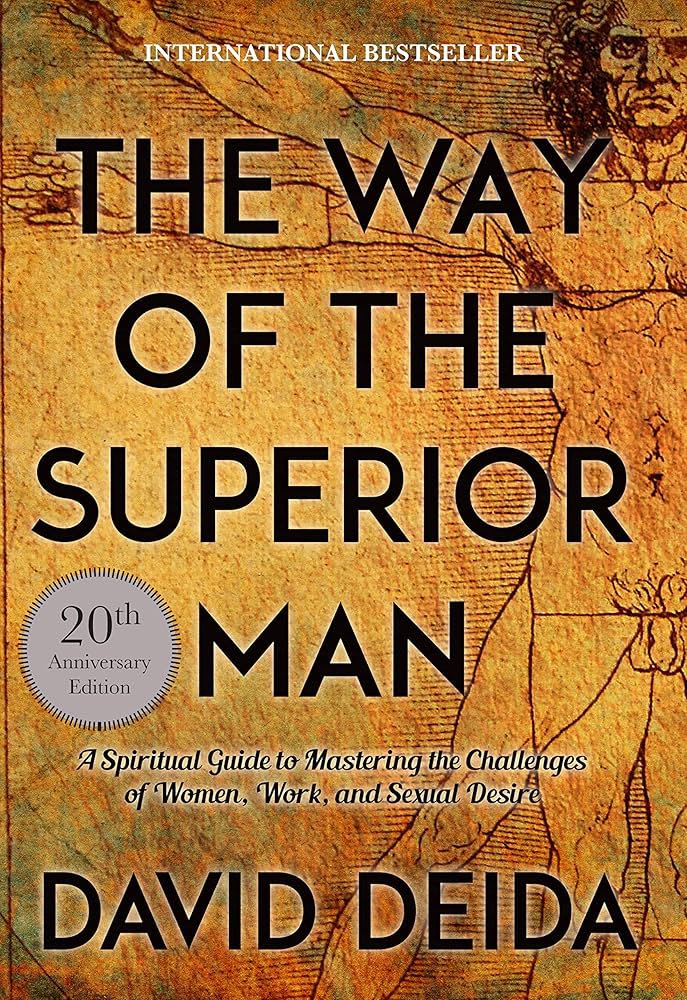
This has to be one of the finest books on human relationships from men’s point of view. Especially for understanding both masculine and feminine nature.
There are tons of good messages throughout the book, from finding purpose to navigate relationships for a man. At one place, the author suggest (to men)
“Take care of the children and the house as much as you want. Just remember that if you give up your true purpose to do so for too long, you are not really helping anyone.”
When you think deep down, this is the truth, although may sound a bit harsh. A man without a higher purpose or mission is of no help to anyone. Your own family will respect you when they see your devotion to your purpose.
Why We Die by Venki Ramakrishnan
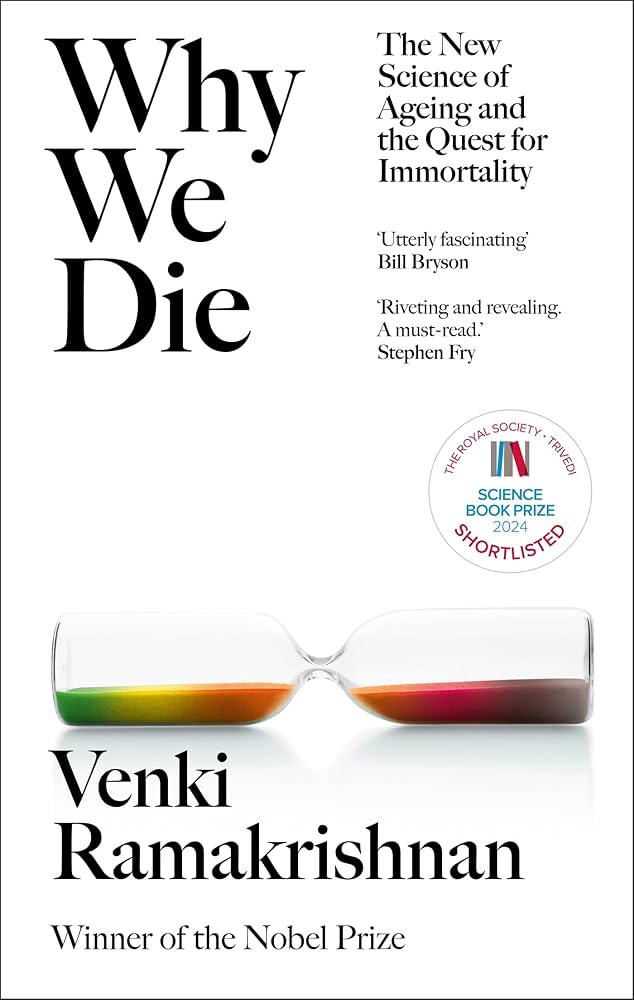
At a time when people like Bryan Johnson are trying everything and spending billions hoping he could live longer and perhaps won’t die, Nobel laureate Venki Ramakrishnan gives a fresh look at the mortality of humans.
This book has a personal touch of a remarkable scientist where he not only talks about technical aspects of science but the moral and philosophical side of death.
Whether you are interested in the biological side of death or the philosophical, this book has both sides of it.
Why Zebras Don’t Get Ulcers by Robert Sapolsky
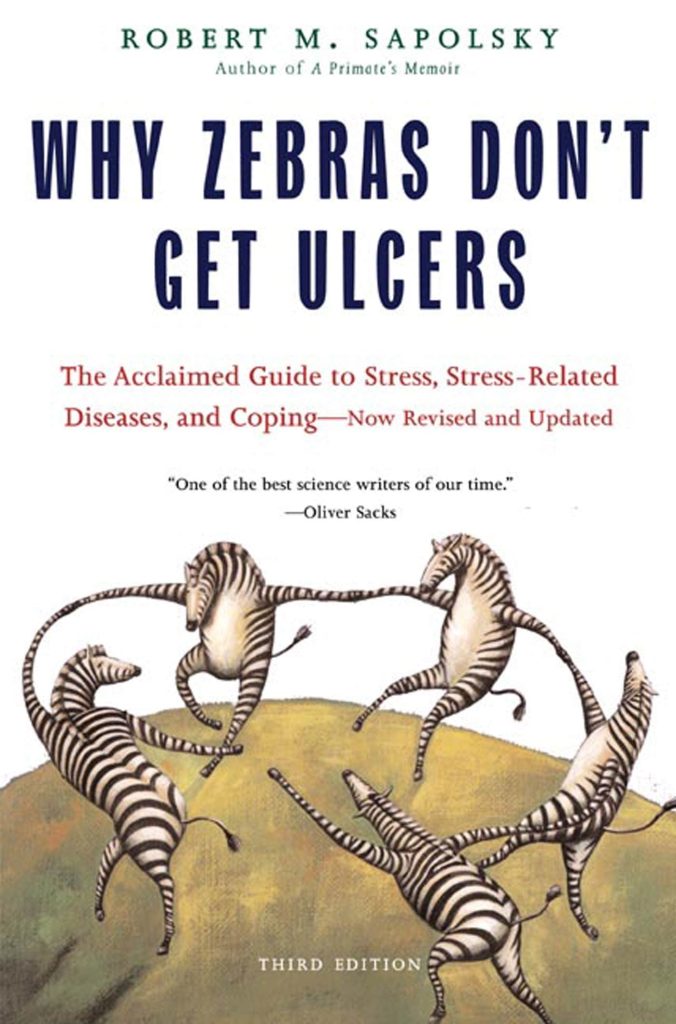
A classic book on stress, its origin, and impact on the human body and mind. Since 1950s there have been extensive studies on stress by renowned scientists like Hans Selye, Richard Lazarus, Bruce McEwen, etc.
Robert Sapolsky is the latest name on that list. Stress or, more aptly, chronic stress kills more people nowadays than any other disease on earth. But people often underestimate the profound and lasting impact of stress. This book is a good reminder of the havoc sustained stress can bring to the human body and mind.
Dwapar Katha by Sudipta Bhawmik
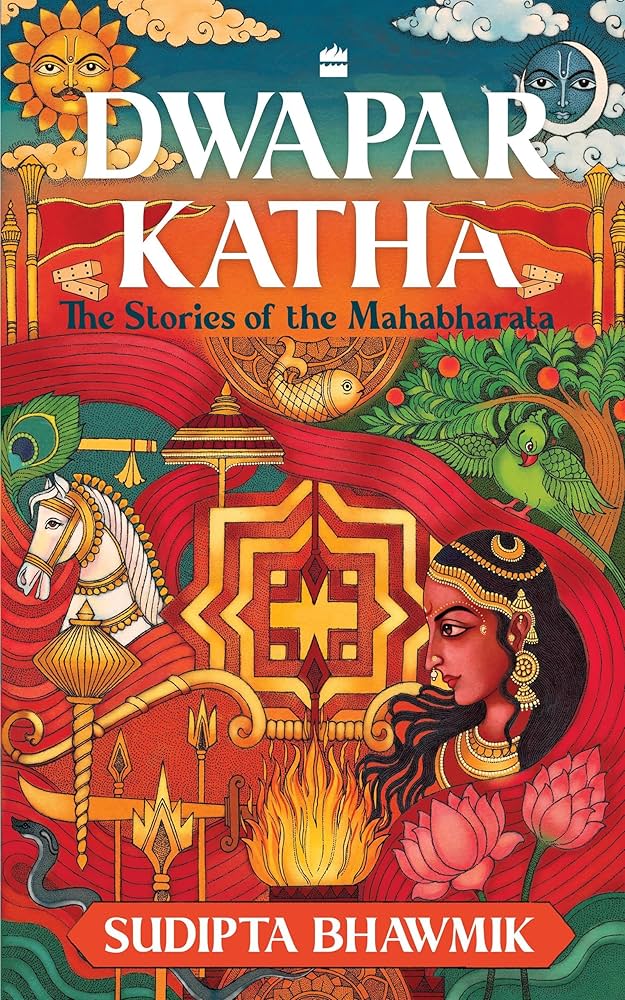
For me, there is no better story than the Mahabharata. It is the world’s biggest and most fascinating epic. I suggest people read or watch the Mahabharata several times at various stages of life. In childhood, teenage years, adulthood, middle age, old age, etc. At every stage, you will find valuable lessons to lead your life with dignity and sincerity.
If you are looking to read the Mahabharata in English translation but more of a shorter chapter-wise story format, this is a fantastic book I read this year. The author has done a tremendous job of not diluting the mega-story, and yet keeping it engaging and thought-provoking.
A fantastic book to give your loved ones.
The Idea Factory by Jon Gertner
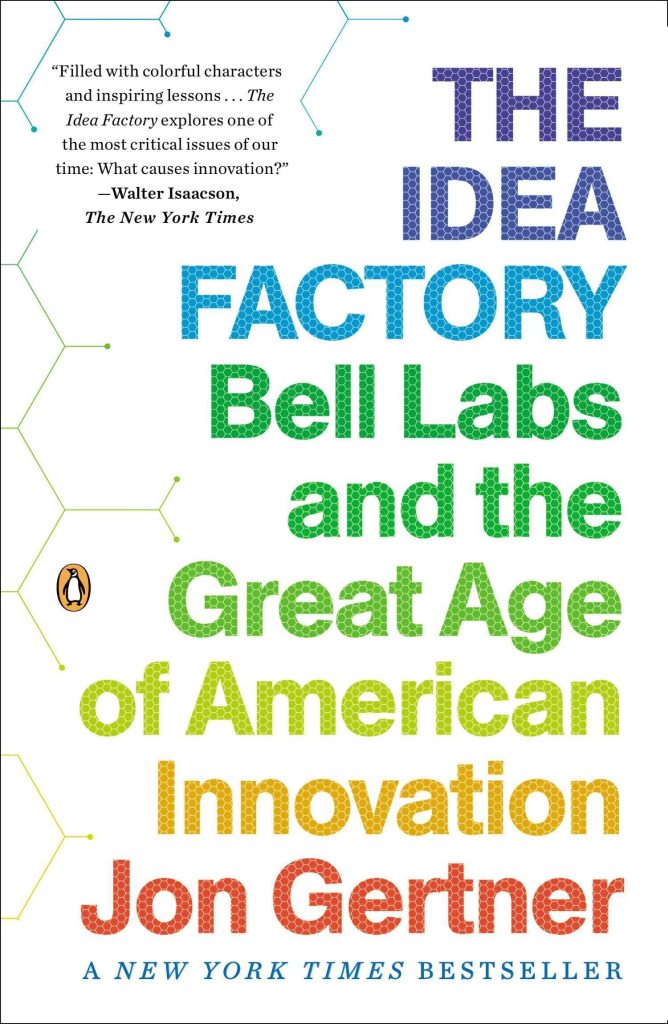
One of the most interesting subjects I am obsessed with is the process of innovation.
How does innovation occur? What factor contributes most to innovation? Can we speed up innovation?
Any book that touches upon such points is a must-read to me. AT&T at some point was America’s only and biggest telecom company. They established a research and development wing known as Bell Labs (from Alexander Graham Bell). Bell Labs has done a remarkable job in terms of innovation and advancing both fundamental and applied science.
Within a span of 30–40 years, Bell Labs produced ten Nobel laureates. Naturally, Bell Labs has served as a prime example for studying innovation and scientific advancement. This book tells the history of Bell Labs, its innovations and scientists.
If you like the subject of scientific innovation or are just curious about innovation as a subject, this book is a great resource for that.
The Teachings of Ramana Maharshi by Arthur Osborne
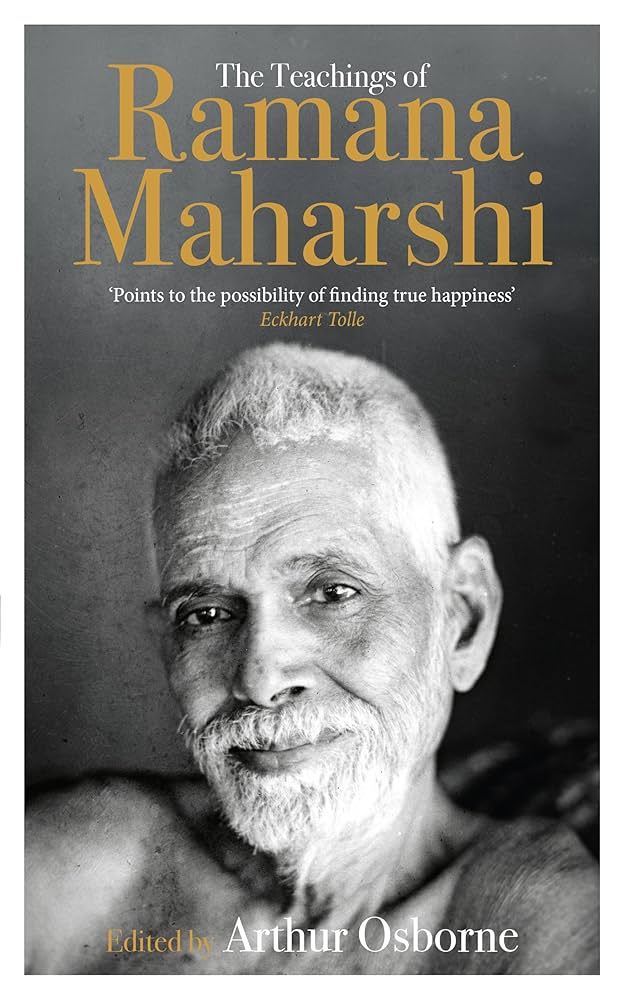
Ramana Maharshi is a renowned sage from India known for his teachings on the true nature of the self.
The most fascinating thing I found about him is that through his own meditative practices he found everything the Upanishads and other sages like Adi Shankaracharya have stated before to be true. So he did not read any scripture before he started his Sadhana; rather, it is the opposite.
This question-and-answer book makes you feel you’re in a small class with an amazing teacher who shows you the path to eternal bliss by recognizing the true nature of the self. The author was a disciple of Ramana Maharshi. Maharshi advises constant introspection on the question ‘Who are you?” Are you the body, mind, or something else?
Since ego is the biggest obstacle in reaching closer to the true self, there are majorly two ways to dissolve the ego. Either through introspection and meditation (Gyana and Raja yoga) or via surrender (Bhakti yoga). Books like this compel you to reconsider the path to joy and bliss that all humans are chasing but getting stuck in the loop of the material world.
A Silent Fire by Shilpa Ravella
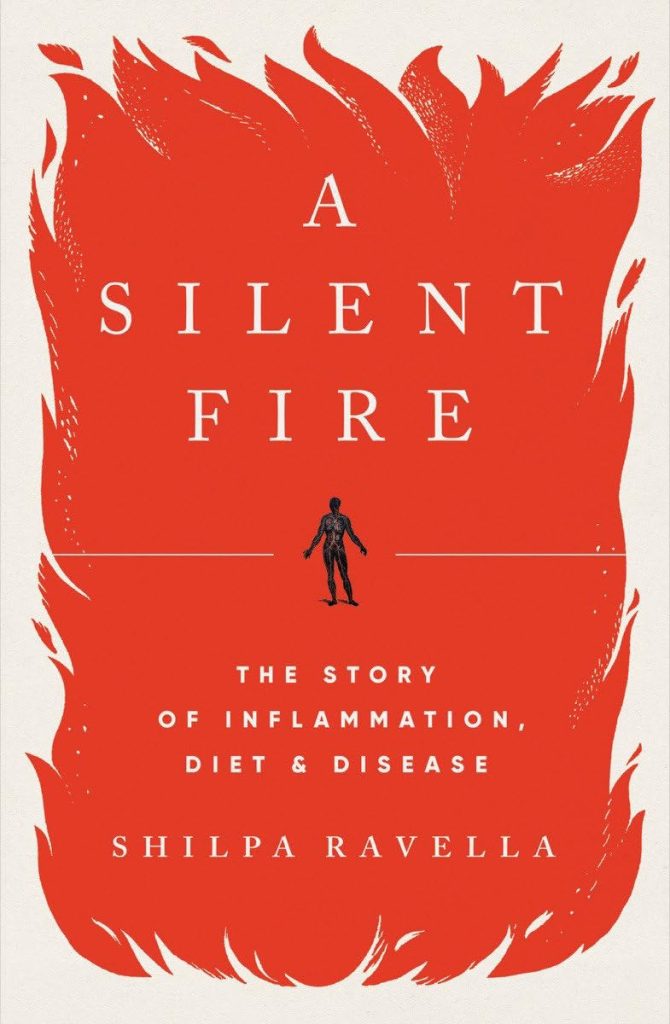
Just like chronic stress, inflammation has been a widely popular subject in the health domain.
What is inflammation? How does it hamper our body and what to do to reduce its harmful impact?
This book provides an engaging account of all these phenomena, taking a tour of both historical and modern research on inflammation and strategies to reduce or reverse it. What I find striking is the similarity between ancient Indian wisdom on food and its impact on the body (and mind) and modern-day medical research.
Inner Excellence by Jim Murphy
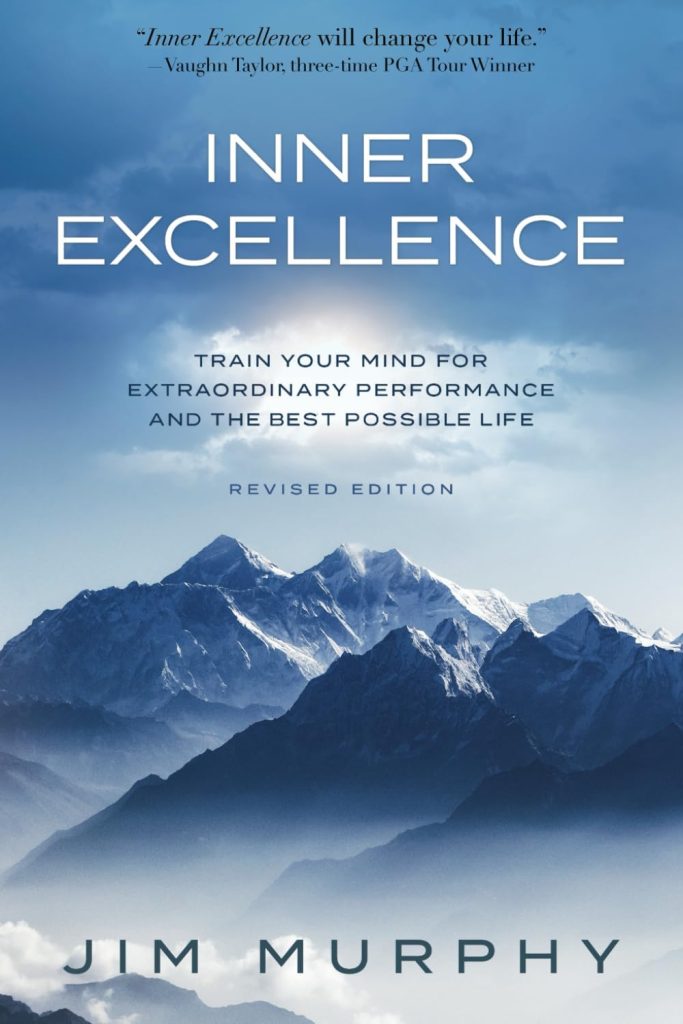
Back in my teenage days, I used to read a variety of self-help or personal growth books, but then in my late 20s I stopped reading them as most books repeat the same messages in different formats. Besides, I realized once you start reading more books on Adhyatma (spirituality), you hardly find anything new and original in most self-help books.
I picked up this book purely because the author is not some academic professor but a performance coach who trained the best athletes and leaders. I just wanted to know his viewpoint of excellent performance.
What I liked most in this book is that the author focused more on managing the inner world than the external (most spiritual books and religions gives similar message). The suggestions are direct and on the face instead of being subtle (which I liked). The book’s central theme could be summarized as
“Success or excellent performance in any domain in less about what you achieve but more about what you become during the pursuit.”
If you liked these book recommendations, subscribe to this blog as I publish my book recommendations twice a year along with regular articles related to science and society.
I will publish the next set of book recommendations in December this year.
Liked this essay? Subscribe to get my new essays directly in your inbox.