Happy new year!
Another year just passed. When I was a teenager, the start of a new year meant a lot. Mentally, it used to feel like the start of something completely new, as if time is not continuous between the end of a year and the start of a new year.
An analogy to explain this is classical physics versus quantum physics. The flow of energy is considered discontinuous in quantum mechanics. This is how I used to feel about the flow of time earlier. But in my 30s, time feels more continuous, like classical physics. The end of a new year and the start of a new year mean little except changing calendars and dates, which are artificially created by humans for convenience.
Nevertheless, the new year offers a chance to reflect on the past and initiate a fresh start in thought. My perspective on reading new books also changed from my 20s to my 30s. With every new year, my aim earlier was to read more books (than previous year). But now I don’t count the number of books I read. Rather, I want to read slower and deeper. These days I feel rereading a great book is better than investing time in a shallow book.
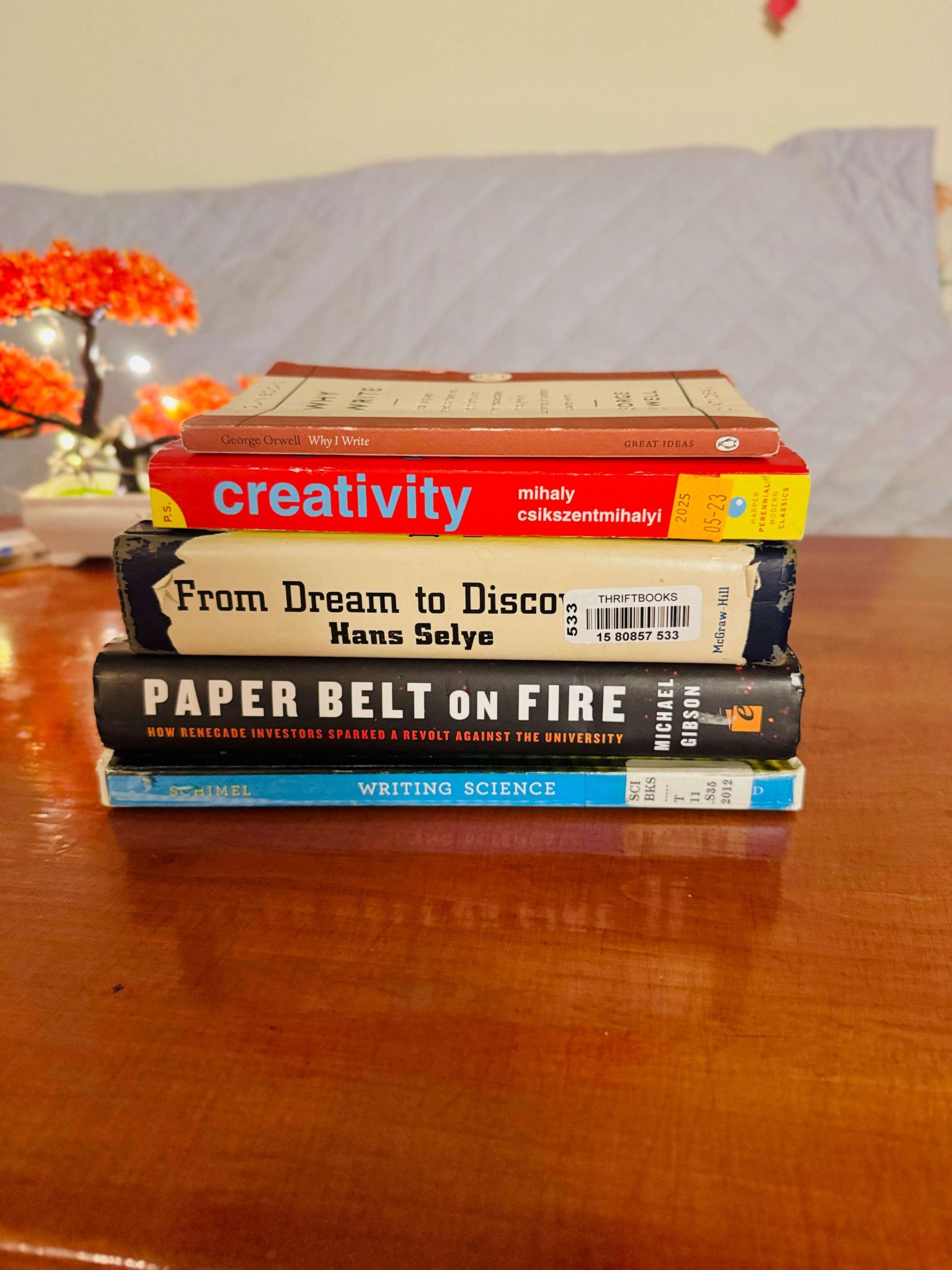
Having said that, here are my book recommendations for the 2nd half of 2025-
Amusing Ourselves to Death by Neil Postman
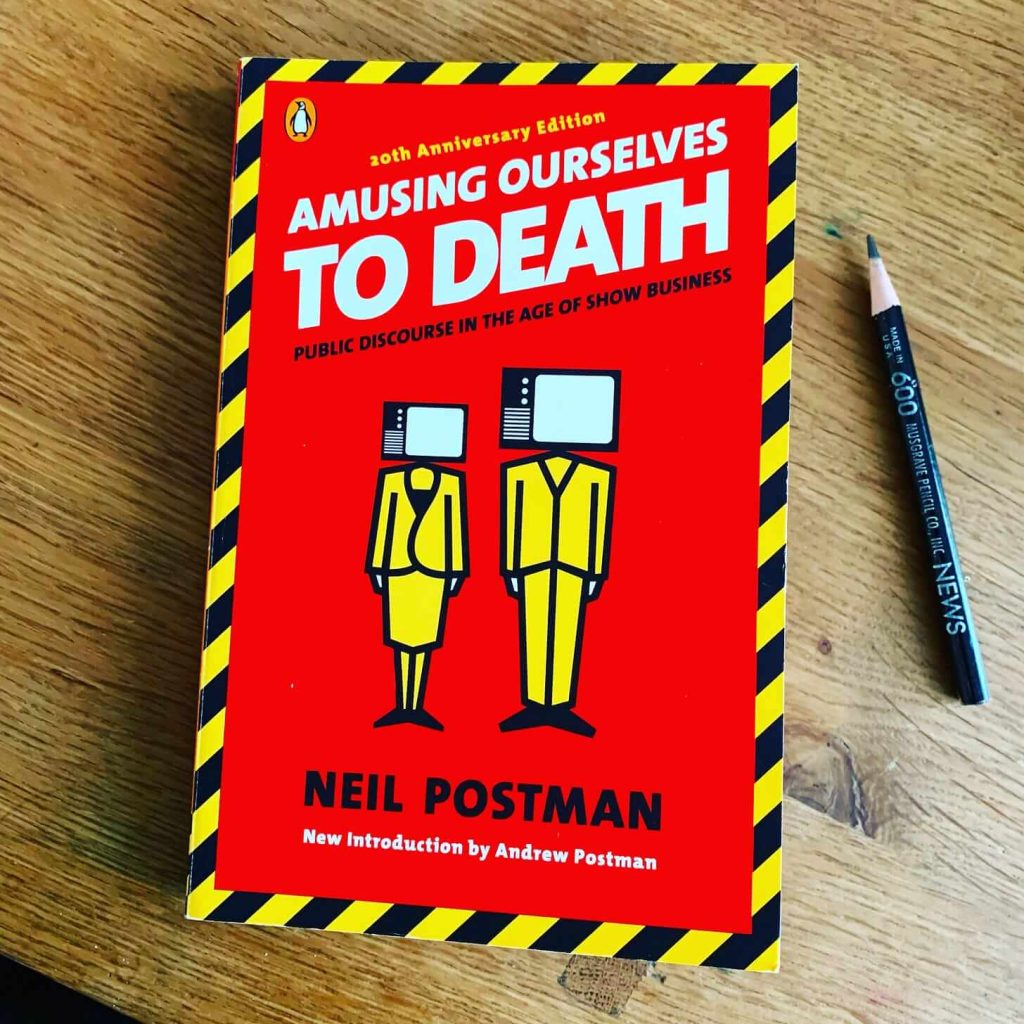
We’re immersed in technology. With every year, this immersion is only getting stronger. But have you thought about what technology is taking away from us? More importantly, is it worth it to surrender everything we have to technology?
The book was written almost 30 years ago and is more relevant today. Neil Postman mostly described the effect of television (which became popular in the 1980s) on the human mind. We can extrapolate the author’s worries to be 10 times worse today, considering the effects of today’s technology.
Definitely a thoughtful read.
Technopoly by Neil Postman
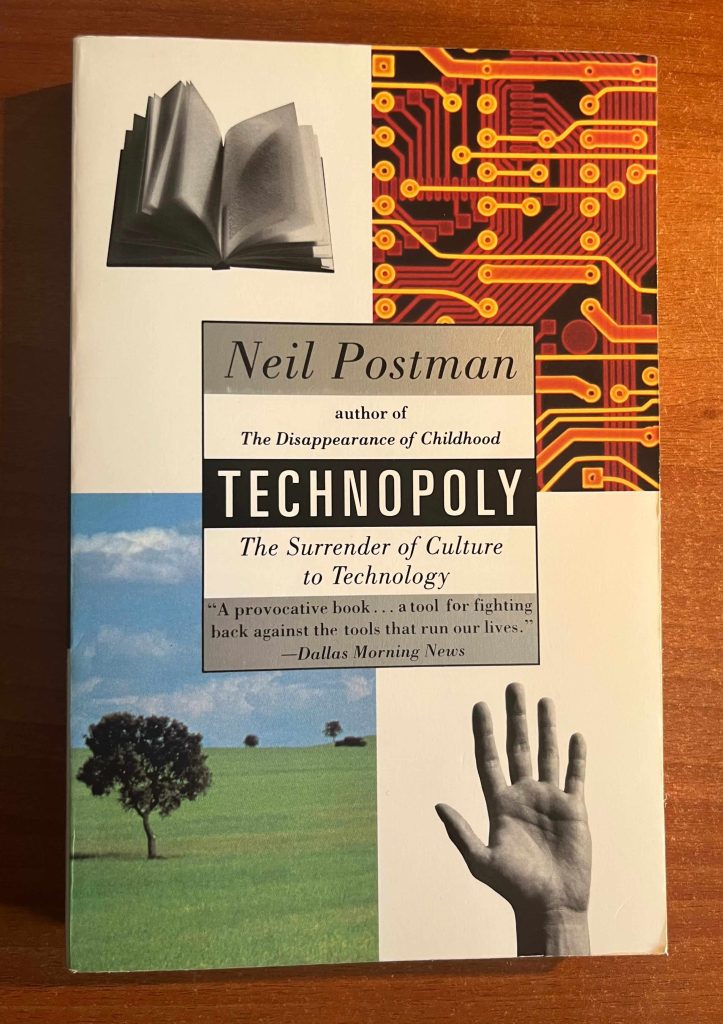
Another delightful book by the same author, but on a broader range of issues regarding technology in society and culture. An excellent sequel to read after the aforementioned book.
Science Writing by Joshua Schimel
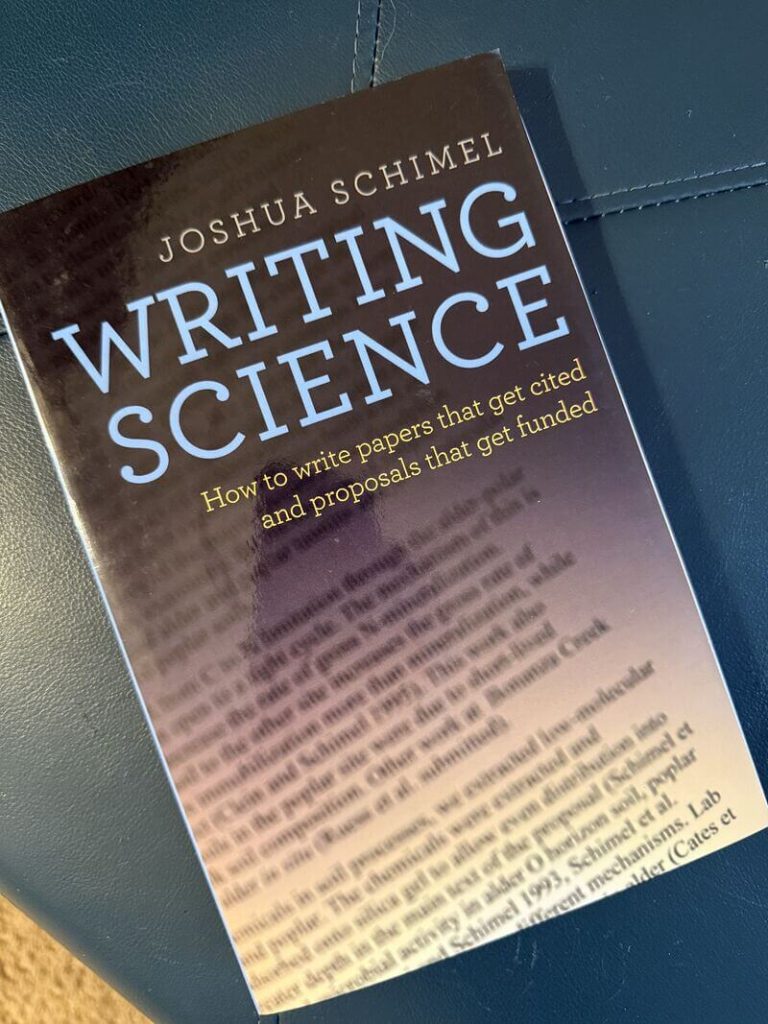
Writing is not one of the easiest jobs unless it comes naturally to you. On top of that, science writing as technical research papers, proposals, or magazine articles demands different styles.
Most students never get any formal training on writing science, even after completing PhDs. Writing research papers and grants is a regular part of my professional job. This book is an excellent resource for getting the basics of science writing correct and making them more interesting so people want to read.
Paper Belt on Fire by Michael Gibson
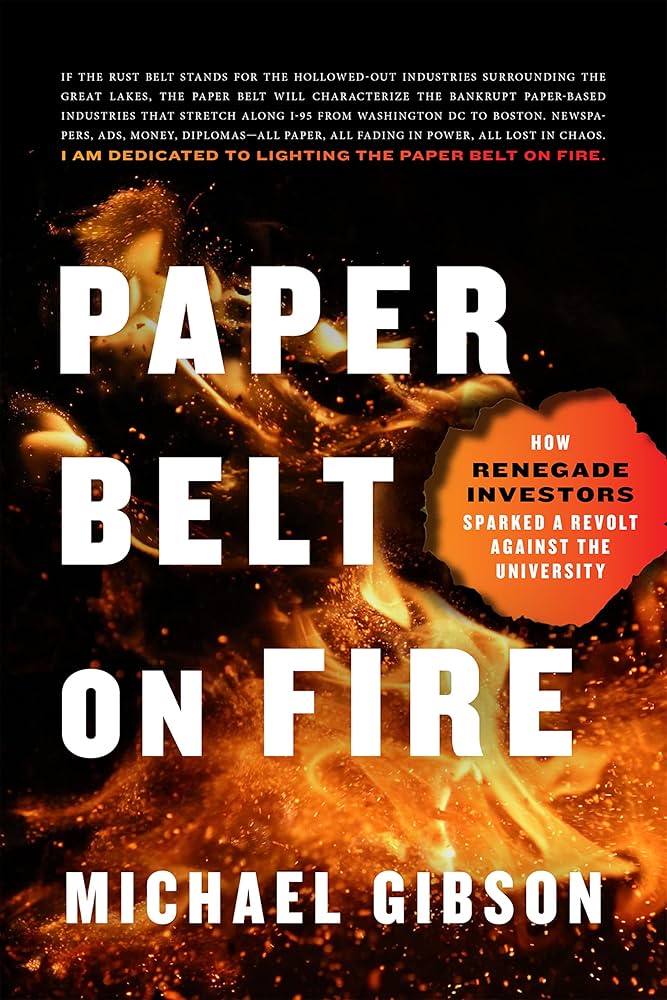
One of the most thought-provoking books I read this year has to be this one. The book is part memoir and part manifesto, where Michael Gibson describes his journey to working with Peter Thiel (famous venture capitalist who wrote ‘Zero to One’) and starting the Thiel Fellowship. If you haven’t heard about Theil fellowship, it is where they find talented young teens and give them $100k to start their venture/startup.
The success rate of Theil fellows is remarkable, suggesting that around 10-13% of fellows found billion-dollar companies (unicorns). Keep in mind these teens often did not even complete their college. The argument in the book is then the actual role of education in advancing society. If breakthrough innovation most likely arises from young minds tackling genuine problems, how much education in colleges and universities provides that opportunity?
Reading this book slowly is the best way to fully comprehend it.
Dream to Discovery by Hans Selye
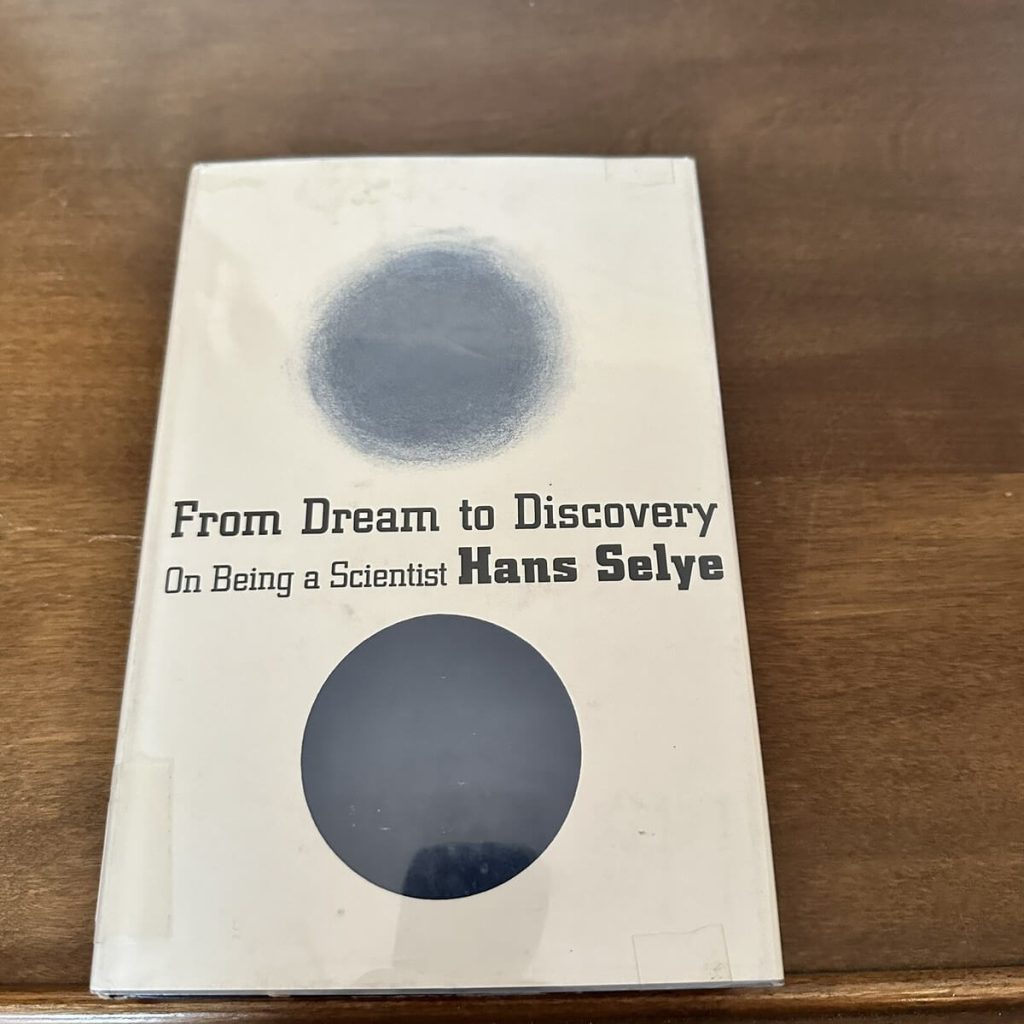
Autobiographies are perhaps my favorite genre to read. Especially written by a scientist. Of all the books I read this year, this is the most favored. I liked it so much also because I could relate to most of the things in the book by virtue of being in the same profession as the author.
While reading the book, the words felt very personal from the viewpoint of the author. Hans Selye was one of the first scientists to discover the stress response in the human body (which today is a broad area of research). The book contains almost everything a researcher/scientist could think about to improve in his job.
No More Tears by Gardiner Harris
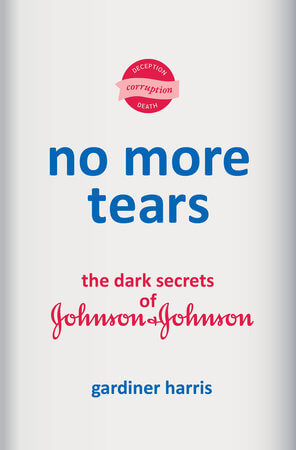
Pharma companies are generally seen as lifesavers by many. Drug discovery is surely no child’s play, and it requires years and often decades of research and development to bring a new drug to the market. But these organizations aren’t without their issues. There are a lot of dark secrets of pharma companies that remain unknown in the public domain.
Quite often profit takes over people, and drug manufacturers become the reason for misery. This book tries to uncover some of the dark secrets of J&J, one of the largest pharma companies in the world. This book is a good choice, particularly for those wanting to understand big pharma.
Animal Farm by George Orwell
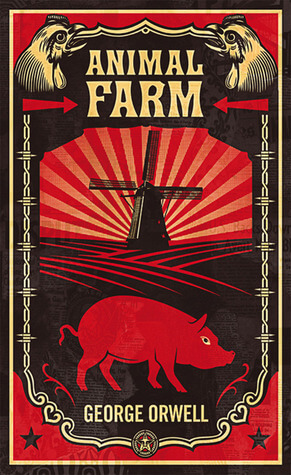
I am actually pretty late in reading this classic. The imagination and insight of George Orwell are remarkable. This is the kind of fiction that can teach you more than most non-fiction books. A splendid book to understand totalitarianism. Orwell also hints at the corrupting influence of any ideology in societies.
The Gospel of Sri Ramakrishna by Swami Nikhilananda
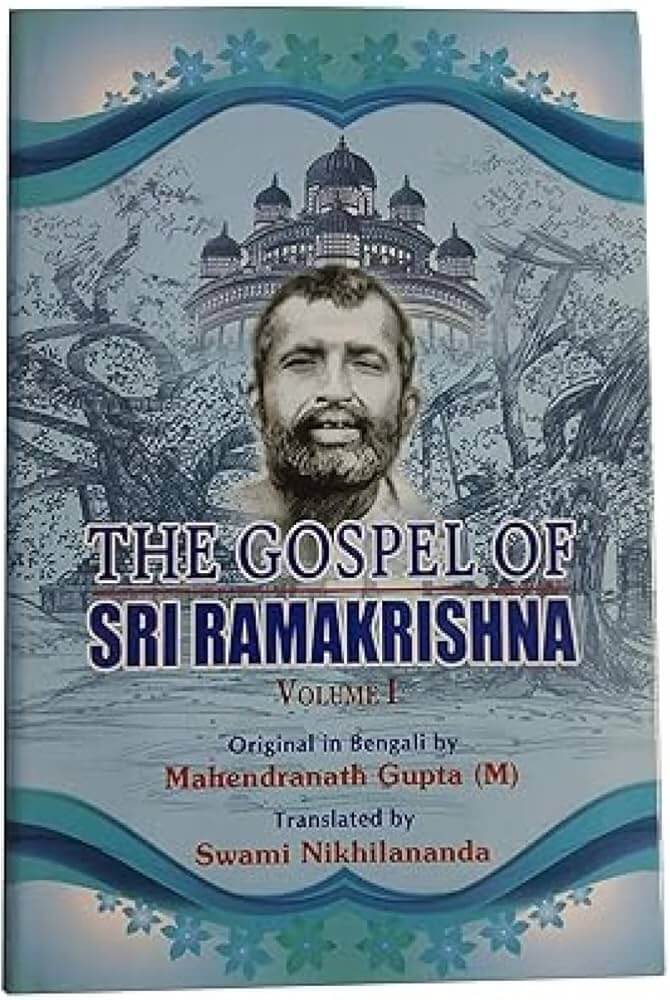
Sri Ramakrishna is a figure that most Indians (and people around the world) remember fondly. There is some kind of magic in reading about his life. The life and teachings of Sri Ramakrishna are profoundly simple and yet require a pure heart to realize. Sri Ramakrishna stands out for his extraordinary ability to make complicated ideas easy to understand by using vivid tales, metaphors, and parables.
This is probably the most comprehensive book on the life of Sri Ramakrishna by one of his own students. The original book was written in Bengali named ‘Sri Sri Ramakrishna Kathamrita by Mahendranath Gupta’. One should read this book to obtain a first-hand understanding of Sri Ramakrishna and his thoughts.
Creativity by Mihaly Csikszentmihalyi
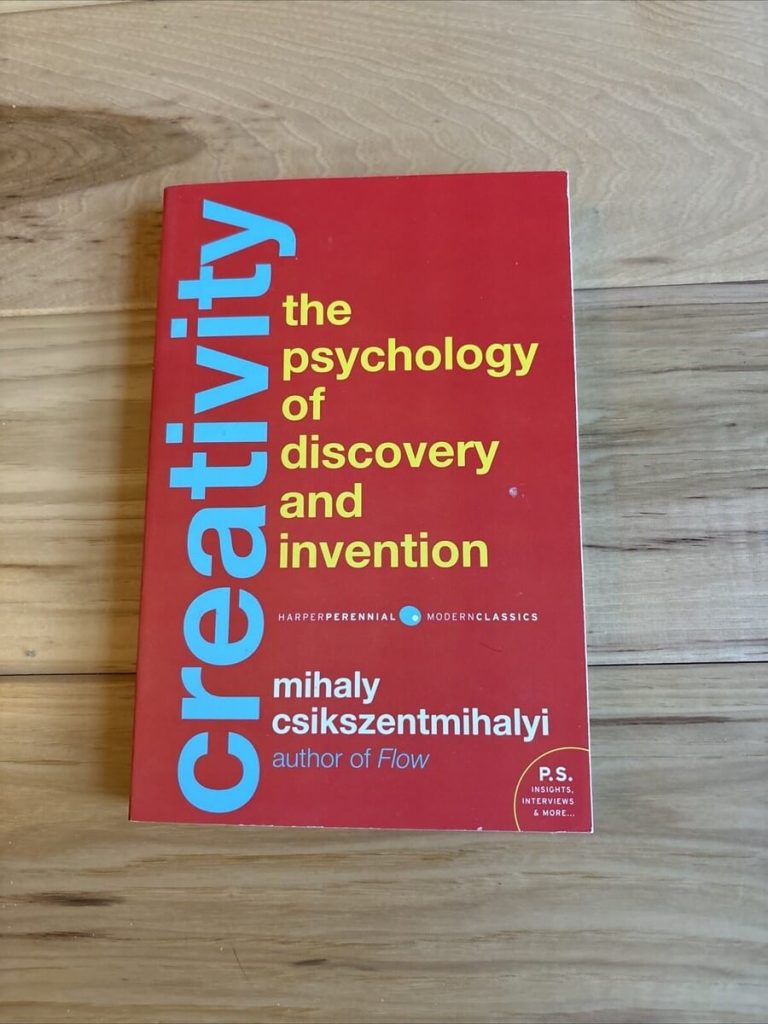
I highly suggest everyone read Mihaly Csikszentmihalyi’s ‘Flow’, a book I particularly enjoy and believe is worth owning (for a lifetime). This is the second book I have read recently by the same author that deals with the topic of creativity.
Where did renowned scientists and artists get their ideas for new discoveries and inventions? What gives rise to creativity? Could some environments favor creativity more than others? If you are even remotely interested in such queries, read this book.
That’s it for this year. I hope you have a wonderful 2026, and may you gain more knowledge and wisdom this year. I will post the next set of book recommendations on July 2026. To read my essays, subscribe to this blog.
Liked this essay? Subscribe to get my new essays directly in your inbox.